Computer vision and physical AI
Leverage images, video and sensor data for solutions that understand their surroundings and respond on site. We connect visual intelligence with equipment and controls to improve quality, support safety and make operations more efficient.
Why Choose us
You work directly with senior specialists who design and build your solution. We combine research depth with practical engineering and a broad command of computer vision, signal processing and machine learning. We assess feasibility early, explain costs and trade-offs clearly, and validate performance against your data, hardware and operating requirements.
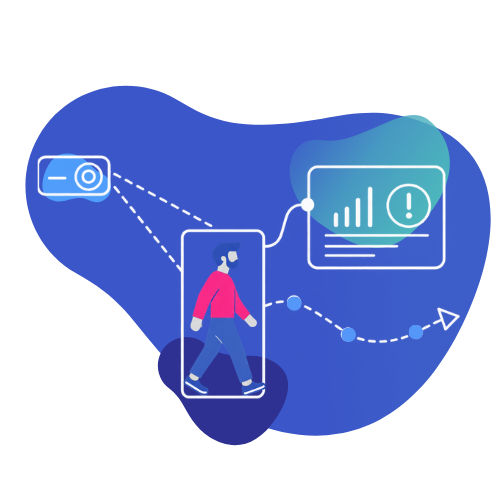
Recognise objects, classify visual content and track movement in images and video. We develop models that transform these observations into measurements, alerts and features that your operations and systems can use.
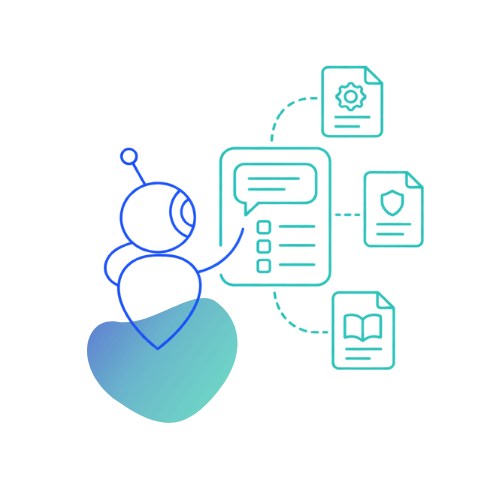
Give employees a way to ask questions across manuals, policies and technical records. Our knowledge assistants retrieve relevant information, show supporting sources and respect to access permissions, with support for your terminology and languages.
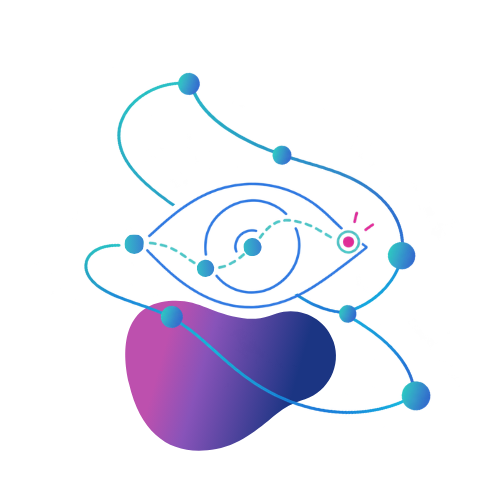
Estimate where people are looking and detect signs of drowsiness or inattention without requiring wearable tracking devices. Applications include camera-based driver alerts, individual or audience attention measurement and digital out-of-home advertising.
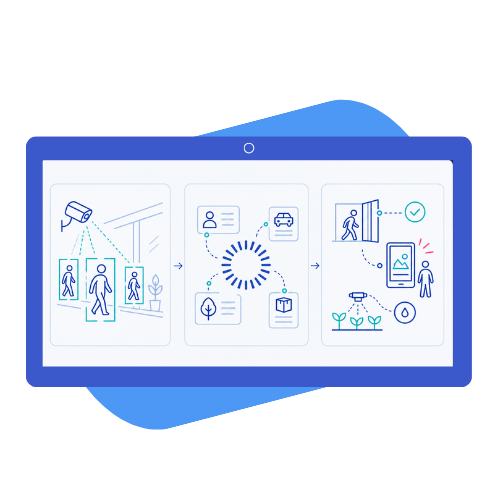
Turn visual understanding into action
Enabling systems to act on visual information enabled by cameras. Our Vision AI recognizes relevant conditions and triggers appropriate responses across different applications, from targeted treatment of environmental conditions to adaptive displays that respond to viewers’ presence or attention. Our solutions operate within clearly defined limits and human oversight where needed.
Run AI on the edge
Bring AI directly to the production line, inside a vehicle or onto equipment in the field. By processing camera and sensor data locally, your systems can respond quickly, reduce reliance on ne
Technologies underpinning our work
Models that learn from images and video for detection, segmentation, tracking and behaviour recognition.
Deep learning models that identify unusual visual patterns, supporting recognition, inspection and quality assessment.
Model conversion, compression and hardware optimisation that balance accuracy, response time, memory and power requirements on devices close to cameras and equipment.
Models with outputs that drive equipment actions in real time, connected to existing control systems and operating within defined safety limits, with human override options.
Designs where only non-reversible representations leave the device, so sensitive images stay in place and data protection requirements are met by design.
Testing across representative setups and conditions, with model versioning, deployment pipelines and monitoring to guide updates as environments, cameras and operating requirements change.